A Little Life Isn’t a Book. It’s a Test. | Kandidly Kay
There are books you read.
And then there are books that read you.
A Little Life falls into the second category.
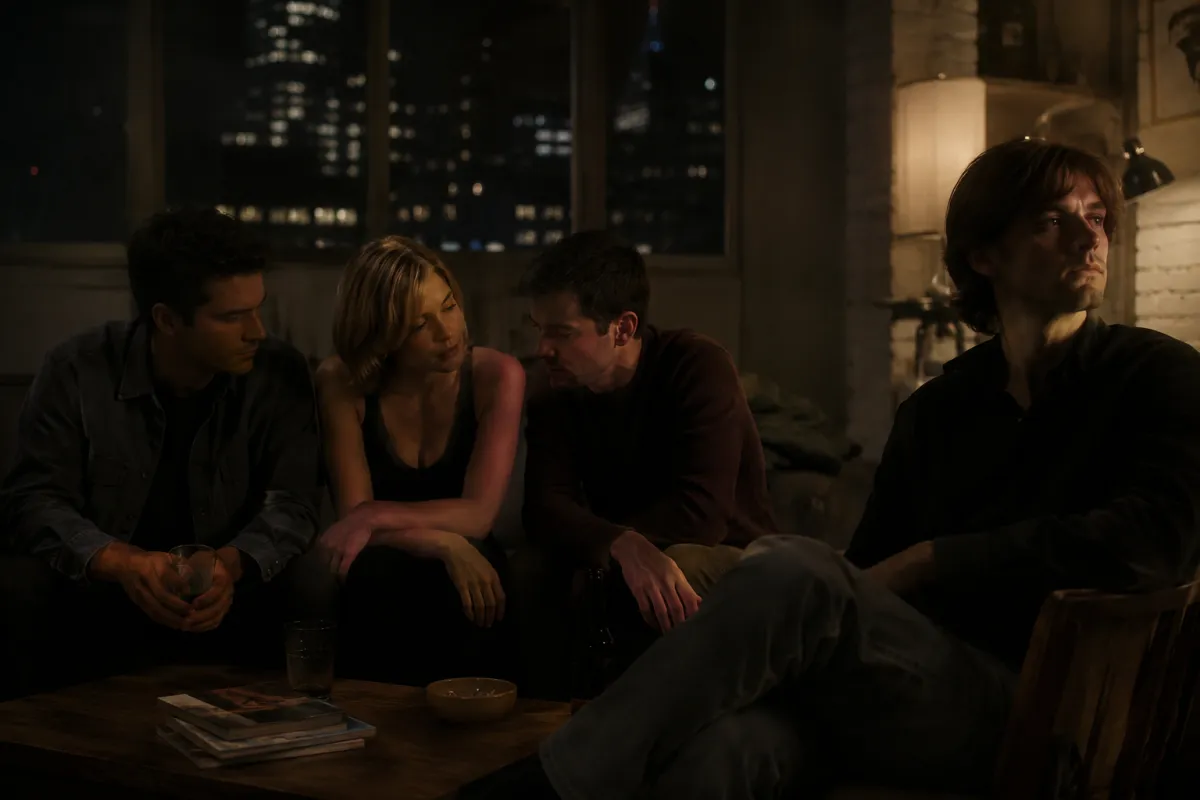
On the surface, it’s about four friends in New York. Ambition. Careers. The slow build of adult life. You could almost mistake it for a coming of age story if you only skim the edges.
But this isn’t a book about growing up.
It’s a book about what happens when someone never got the chance to.
Jude sits at the centre of it all. Brilliant. Successful. Quiet. The kind of man people admire because he appears to have it together. The kind of man who listens more than he speaks. The kind of man you think you understand until you realise you don’t understand him at all.
Because some people don’t live their lives forward.
They survive them backwards.
Everything Jude is in the present is shaped by what he endured in the past. And the book doesn’t offer that past to you neatly. It reveals it slowly, deliberately, almost reluctantly. As if even the story itself knows it shouldn’t be rushed.
That’s where the discomfort comes in.
We are used to stories where pain has purpose. Where trauma is followed by healing. Where love arrives and fixes something. Where survival leads somewhere soft.
This book refuses that.
It asks a harder question.
What if love isn’t enough?
What if someone can be surrounded by people who care, who stay, who show up again and again… and still not believe they are worth saving?
There’s a quiet brutality in that idea. Not loud. Not dramatic. Just persistent.
The friendships in this book are what keep you there. Willem, especially. Not as a saviour. Not as a solution. But as someone who chooses to stay in the presence of someone else’s pain without trying to control it.
And that’s where this book becomes something else entirely.
It stops being about suffering.
And starts being about witnessing.
Because that’s what most of us get wrong.
We think love is fixing.
We think care is solving.
We think presence has to come with answers.
This book strips all of that away.
Sometimes love looks like staying when there is nothing you can do.
Sometimes it looks like sitting beside someone who doesn’t believe in themselves and not arguing with them, but not leaving either.
Sometimes it looks like holding space without expecting change.
That is a harder kind of love. A quieter one.
And maybe that’s why this book lingers.
Not because of the pain, although there is a lot of it.
But because it forces you to sit with a truth most people avoid.
You cannot save everyone you love.
And if you’re honest, that’s the part that stays with you.
Not the events. Not even the characters.
Just the question it leaves behind.
If love isn’t enough, then what is?
Reflection Topics
Friendship
Trauma and healing
Love and loss
Emotional awareness
Human connection
More Writing
Louis Theroux Didn’t Shout. He Listened. That’s Why He Stayed With Us
We Need To Talk: The Real Price of Addiction
Michael Jackson Was Never Just a Man