Whatever Happened to the Phone Call?
Whatever Happened to the Phone Call?
There was a time when the most normal thing you could do with a telephone was telephone somebody.
Apparently, we’ve moved on.
When did we become frightened of phone calls?
I don’t mean the bank, the dentist or an emergency.
I mean somebody you actually know simply calling to say hello.
Once, the phone rang and you answered it.
That was it.
No preparation.
No preliminary text asking, “Are you free for a quick call?”
Now an unexpected phone call feels vaguely threatening.
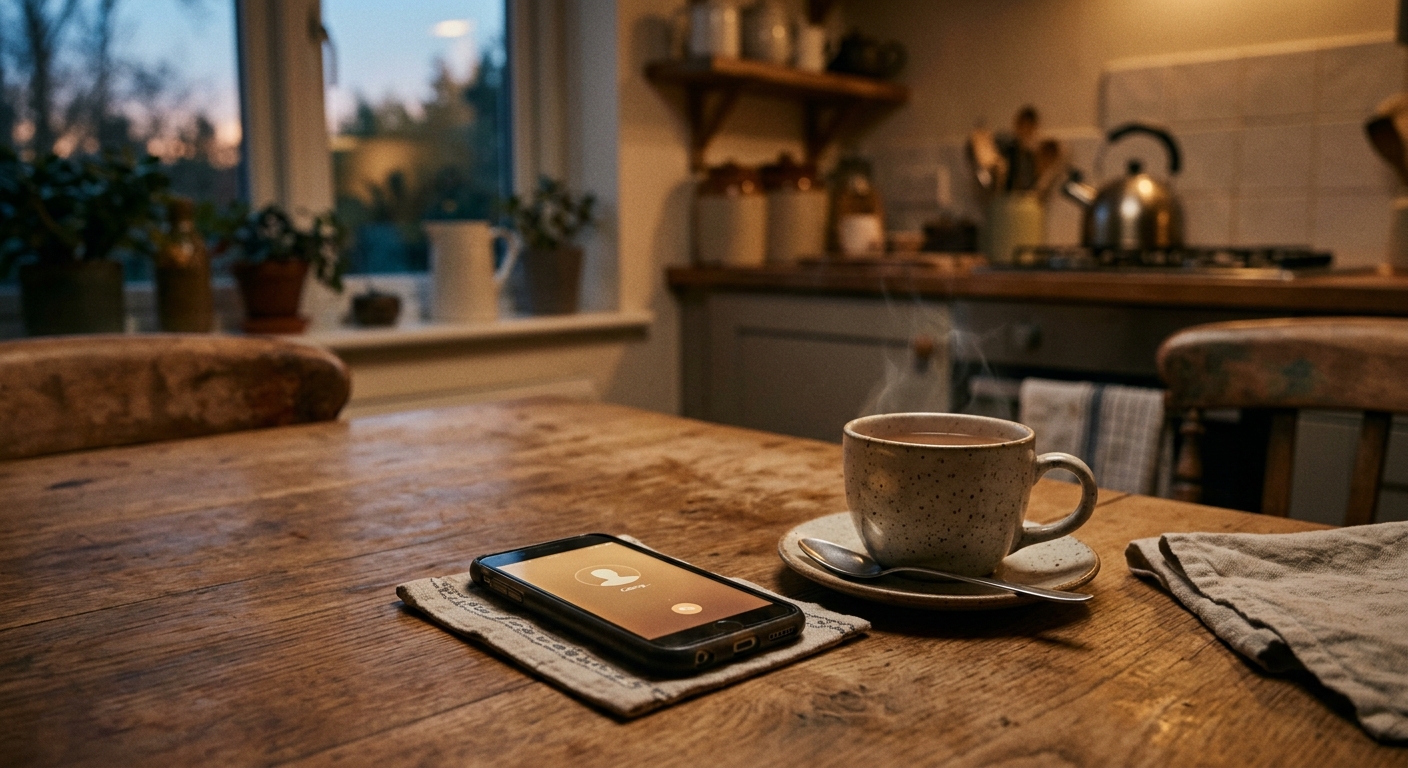
Your phone rings and instead of answering it, you stare suspiciously at the screen.
Why are they calling?
What’s happened?
Who’s died?
We carry incredibly sophisticated phones around with us all day, yet actually using one to phone somebody has somehow become socially aggressive.
Instead, we text.
We WhatsApp.
We send emojis.
We react with little hearts and thumbs up.
And then, because apparently typing became too exhausting, we invented the voice note.
Ah, the voice note.
A marvellous invention when it’s 30 seconds long.
Less marvellous when somebody sends you a seven-minute audio documentary with no indication of whether you’re about to hear life-changing news or a detailed account of what happened in Tesco.
At least with a phone call you could interrupt.
There was something lovely about the old-fashioned phone call, though.
Someone thought of you and rang.
No appointment.
No calendar invitation.
No “Does 7.15 work for you?”
They just wanted to hear your voice.
And perhaps that’s the bit we’ve lost.
Texting is wonderfully convenient, but it edits us.
We type something.
Delete it.
Rewrite it.
Add an emoji so it doesn’t sound rude.
Decide the emoji looks passive-aggressive.
Remove it.
Put an “x” on the end.
Wonder whether one x looks annoyed and three looks slightly unhinged.
A phone call doesn’t give you that luxury.
You laugh at the wrong moment.
You talk over each other.
You forget what you were saying halfway through a sentence.
You sound human.
And voices tell us things that words on a screen can’t.
“I’m fine” can mean a hundred different things when you hear somebody say it.
You hear the pause.
The wobble.
The sigh they didn’t mean you to notice.
Sometimes you know from two words that your friend isn’t fine at all.
And it’s not only our friends we’ve stopped speaking to.
Try getting through to an actual human being at some companies now.
Press one.
Press four.
Enter your account number.
Listen carefully because our options have changed.
Eventually a cheerful robot tells you your call is very important to them.
After 47 minutes on hold, you begin to suspect this may not be entirely true.
We’ve never had more ways to communicate.
But I’m not convinced we’ve ever been better at it.
We’re constantly connected and yet increasingly able to avoid actually speaking to one another.
Perhaps it’s time to bring the phone call back.
Not every conversation needs scheduling.
Not every thought needs crafting into the perfect message.
Sometimes you should ring someone because something ridiculous happened and you know they’ll laugh.
Because you’ve had a terrible day.
Because you haven’t spoken for a while.
Or for no reason whatsoever.
So perhaps this week I’ll do something truly reckless.
I’ll pick up my phone, choose somebody I love and, without sending a warning text first, actually call them.
They’ll probably assume someone’s died.
But if they answer, I’ll simply say:
“I was thinking about you, and I wanted to hear your voice.”
Maybe the phone call wasn’t an interruption after all.
Maybe it was simply somebody saying:
I thought of you.
Reflection Topics
Human connection
Communication
Friendship
Modern life
Being heard
More Writing
The People Who Clap When The Plane Lands
/the-people-who-clap-when-the-plane-lands