It Was Never About How He Would Die | Kandidly Kay
I went into Peaky Blinders: The Immortal Man expecting an ending. A final reckoning. The moment where a man who has spent years outrunning death finally meets it.
That is not what this is.
This is about what happens when a man no longer needs to survive.
We have watched Tommy Shelby endure everything. War. Loss. Betrayal. His own mind. Survival has never just been something he does. It is who he is. Anticipate. Control. Stay ahead. Never be caught off guard.
So when the final act builds that familiar tension, you expect the same outcome. Another near miss. Another narrow escape. Or this time, the end.
But the shift is quieter than that.
The question is not whether he dies. It is whether he continues living in the same way.
And that is where Duke comes in.
At first glance, he looks like the future. Younger. Unpredictable. A little dangerous. The kind of presence that unsettles a room without trying. It would be easy to position him as a threat. The one who could take Tommy down.
He is not.
He is a reflection.
Duke carries the parts of Tommy that were never softened. Instinct over thought. Reaction over restraint. Power without pause. Watching them together does not feel like a power struggle. It feels like a man being confronted with who he used to be, and being asked if he is going to choose it again.
That is the tension.
Not violence. Choice.
There is a moment, and it is easy to miss if you are waiting for something louder, where it becomes clear that Tommy is done with control. For a man who has built everything on staying ten steps ahead, that is the real risk. Control has always been his protection. Without it, he is exposed.
And still, he steps back.
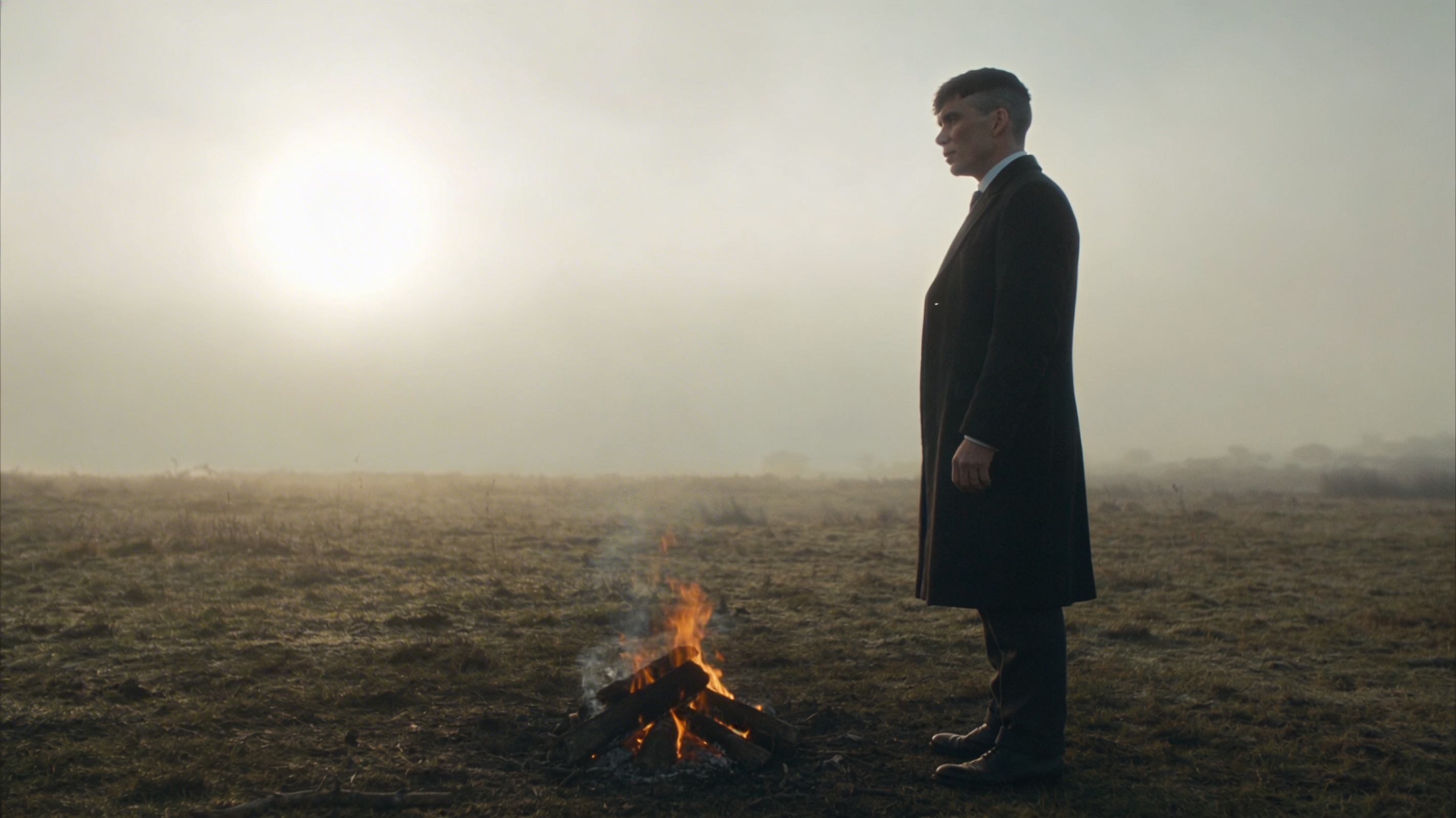
The fire at the end is not spectacle. It is signal. Something is being burned, but it is not a body. It is an identity. The version of Tommy that needed the fight in order to exist.
That is the real ending.
Not death. Release.
The title The Immortal Man lands differently when you sit with it. Immortality is not about avoiding death. It is about what remains when the fight is over. The name. The story. The imprint.
Tommy becomes immortal not because he cannot be killed, but because he no longer needs to live like a man who is always preparing to be.
There is something uncomfortable about that kind of ending. It does not give you a clean resolution. No clear win. No clear loss. Just a question that lingers.
Who are you when you are no longer in survival mode?
Because survival can become a habit. Even when the threat has gone, the mindset stays. The vigilance. The need to control. The belief that if you loosen your grip, everything falls apart.
At some point, that stops being protection. It becomes limitation.
Tommy reaches that point.
And instead of tightening his grip, he releases it.
Not because he has nothing left. But because he no longer needs to prove anything.
That is what stayed with me.
Not whether he lives or dies.
But the quiet understanding that the hardest thing for someone who has survived everything is learning how to stop fighting.
And trusting that they are still someone without it.
Reflection Topics
Identity
Letting go
Control and release
Personal change
Life perspective
More Writing
The Phone Call That Changed Everything
The People Who Keep Everything Moving